
Bedbugs Plaguing Low-Income Housing Areas Across the UK
Wasp Sting Treatment: What to Do, Home Remedies & When to Get Help
Wasp stings are common during the warmer months in the UK and can be painful, especially if you are stung more than once. While most stings can be treated at home, it is important to know what to do quickly and when a sting may require medical attention.
In this guide, we explain how to treat a wasp sting, which home remedies actually work, and when repeated stings could indicate a larger problem such as a nearby nest.
What Happens When a Wasp Stings?
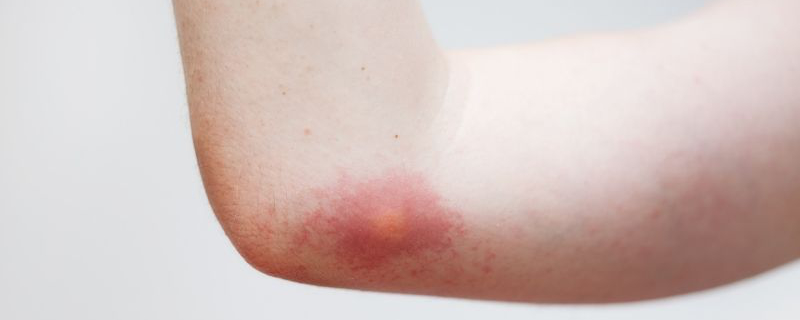
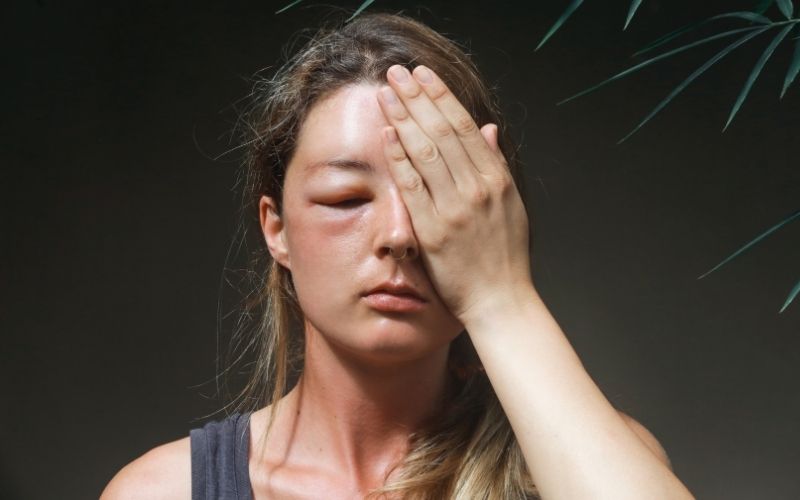
When a wasp stings, it injects venom into the skin, causing immediate pain, redness and swelling. Unlike bees, wasps can sting multiple times, which increases the risk of irritation or more serious reactions.
How to Treat a Wasp Sting
Most wasp stings can be treated at home using simple first aid steps:
- Clean the affected area with soap and water to reduce the risk of infection.
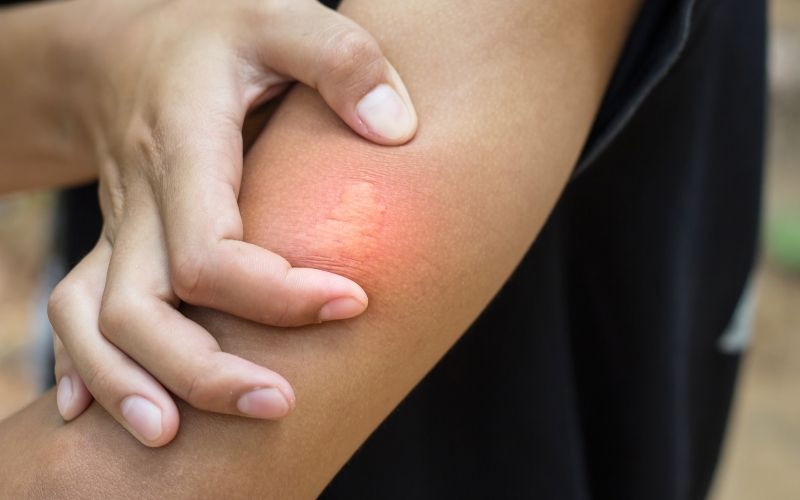
- Apply a cold compress or ice pack (wrapped in a cloth) to reduce swelling and pain.
- Take an antihistamine to help reduce itching and inflammation.
- Use over-the-counter pain relief if necessary.
- Avoid scratching the area to prevent further irritation or infection.
Home Remedies for Wasp Stings
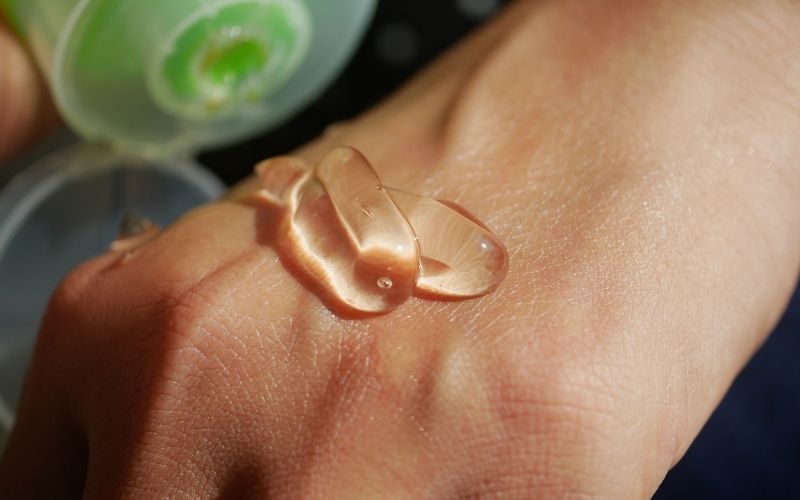
Some home remedies may help soothe the discomfort of a wasp sting:
- Bicarbonate of soda paste: Can help neutralise the sting and reduce itching.
- Vinegar: May help ease irritation for some people.
- Aloe vera: Known for its soothing and anti-inflammatory properties.
While these remedies can provide relief, they should not replace proper medical advice if symptoms worsen.
When to Seek Medical Attention
In some cases, a wasp sting can lead to a more serious reaction. Seek medical help immediately if you experience:
- Difficulty breathing or swallowing
- Swelling of the face, lips or throat
- Dizziness or fainting
- A rapid heartbeat
These may be signs of an allergic reaction and require urgent treatment.
Repeated Stings Could Mean a Nearby Nest
If you or your family are being stung repeatedly, it may indicate that there is an active wasp nest nearby. Wasps are particularly aggressive when defending their nest, especially in summer.
In this situation, it is safest to arrange professional wasp nest removal rather than attempting to deal with the problem yourself.
Why You Should Avoid DIY Wasp Nest Removal
Attempting to remove a wasp nest without the proper equipment or experience can be dangerous. Wasps can swarm and sting multiple times, increasing the risk of injury.
Professional pest control technicians have the tools and expertise to safely and effectively remove nests. You can also view typical pest control prices before booking a service.
How to Prevent Wasp Stings
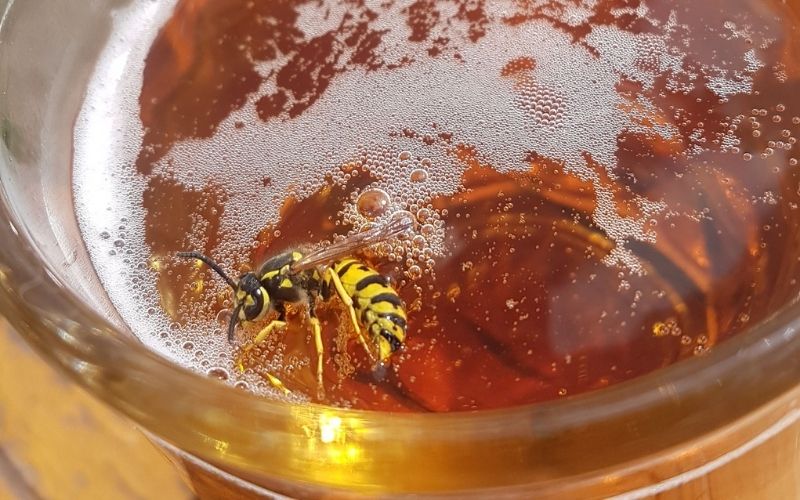
- Avoid leaving food or sugary drinks exposed outdoors.
- Keep bins sealed and away from entry points.
- Check lofts, sheds and wall cavities for early signs of nests.
- Act quickly if you notice increased wasp activity around your property.
Conclusion
Most wasp stings can be treated at home with simple first aid and care. However, repeated stings or increased wasp activity may indicate a nest nearby that requires professional attention.
If you suspect a wasp problem or want expert advice, you can contact Wallace Pest Control for fast and reliable support.