Lorem ipsum dolor sit amet, consectetur adipiscing elit, sed do eiusmod tempor incididunt ut labore et dolore magna aliqua. Ut enim ad minim veniam, quis nostrud exercitation ullamco laboris nisi ut aliquip ex ea commodo consequat. Duis aute irure dolor in reprehenderit in voluptate velit esse cillum dolore eu fugiat nulla pariatur. Excepteur sint occaecat cupidatat non proident, sunt in culpa qui officia deserunt mollit anim id est laborum.
Mice Removal Lancashire
Professional Mice Control in Lancashire
Mice can quickly become a problem when they enter homes, kitchens, lofts, garages, shops or business premises. They can contaminate food areas, damage stored items, chew materials and leave droppings in cupboards, voids and hidden spaces.
Wallace Pest Control provides professional mice control across Lancashire, including Ribble Valley, Clitheroe, Burnley, Blackburn, Preston and surrounding areas. We help homeowners, landlords and businesses deal with mouse activity safely and effectively.
Our service starts with an inspection to identify signs of mouse activity, possible entry points, food sources and harbourage areas. We then advise on the most suitable treatment plan, which may include baiting, trapping, monitoring, proofing advice and follow-up support.
If you have seen mice, found droppings or heard scratching noises, call Wallace Pest Control on 07496 680879 or complete the enquiry form.
Contact Wallace Pest Control
If you need help with mice in your home, kitchen, loft, outbuilding or business premises, contact Wallace Pest Control for professional advice.
Call 07496 680879 or complete the form below and we will get back to you as soon as possible.
Mice Control Treatment Process & Pricing
Mice control starts from £240 for three visits. Additional visits, if required, are charged at £60 per visit.
Our mice control service is designed to identify where mice are active, how they may be getting in and what is attracting them to the property. Treating the visible signs alone is rarely enough, which is why inspection, monitoring and proofing advice are an important part of the service.
Visit 1: Initial Inspection and Treatment Setup
The first visit focuses on identifying signs of mouse activity, possible entry points and the most suitable treatment plan for the property.
- Detailed inspection: we check for droppings, gnaw marks, grease marks, runs, nesting areas, food sources and possible harbourage.
- Entry point checks: we look for areas where mice may be getting in, such as gaps around pipework, vents, air bricks, cupboards, doors, skirting boards or cracks in walls.
- Baiting and/or trapping: depending on the findings, we may use professional bait stations, traps or a combination of methods. The treatment plan is tailored to the property and level of activity.
- Monitoring methods: where appropriate, we may use monitoring tools such as tracking dust or other indicators to help understand movement patterns and locate activity.
- Report and advice: we explain what we have found, what treatment has been put in place and any immediate steps that may help between visits.

Visit 2: Monitoring and Treatment Adjustment
The second visit is used to check how the treatment is progressing and whether the approach needs to be adjusted.
- Activity check: we check bait stations, traps and monitoring points for signs of mouse activity, bait take, movement or disturbance.
- Treatment adjustment: if activity is still present, we may reposition bait stations, adjust trap placement or add further control measures where appropriate.
- Bait replacement: where bait has been taken, we replenish or adjust baiting as needed to maintain effective control.
- Further entry point checks: we reassess likely access points and look for any new or previously missed signs of entry, such as gaps around pipework, vents, cupboards, skirting boards, doors or wall voids.
- Updated advice: we explain what we have found, what has changed since the first visit and any proofing or hygiene steps that may help reduce the risk of mice returning.
Visit 3: Final Monitoring and Proofing Advice
The third visit is used to review the progress of the treatment, check for any remaining signs of mouse activity and discuss proofing steps that may help reduce future problems.
- Final activity check: we inspect the property again, check equipment and look for any ongoing signs of mouse activity.
- Review of entry points: we reassess likely access routes, including gaps around pipework, vents, cupboards, skirting boards, doors, air bricks and wall voids.
- Basic proofing where practical: once activity is under control, we may seal small entry points where suitable and accessible.
- Proofing recommendations: if larger repairs or specialist work are needed, we will explain what requires attention and advise on the next steps.
- Prevention advice: we provide guidance on food storage, cleaning, waste management and other steps that may help reduce future mouse activity.
Follow-Up Visits
Some mouse problems are more complex than others. If activity continues after the initial three-visit treatment programme, additional visits may be recommended.
Additional visits are charged at £60 per visit, where required. We will explain why further visits may be needed and what further action is recommended.

Pre-Treatment Guidance for Mice Control
Before we arrive, there are a few simple steps you can take to help us inspect the property properly and begin treatment safely. Good preparation can also help reduce food sources and make mouse activity easier to identify.
Secure Food Sources
Store food in sealed containers and avoid leaving food out on worktops, floors, cupboards or pantry areas. This includes pet food, bird seed, animal feed and waste food.
If you find food packaging that has been chewed or contaminated by mice, dispose of it safely. Mice can contaminate food, surfaces and storage areas, so affected items should not be used.
Clean Affected Areas Carefully
Wipe down surfaces in kitchens, dining areas, utility rooms and other affected spaces. Pay particular attention to areas where droppings, urine marks, footprints or gnawing have been found.
When cleaning suspected mouse-contaminated areas, avoid sweeping or vacuuming dry droppings, as this can disturb dust and contamination. If you are unsure how to clean an affected area safely, ask us for advice before doing so.
Leave Entry Points Open for Inspection
It can be tempting to block gaps as soon as you spot them, but we recommend waiting until we have inspected the property. Sealing entry points too early can trap mice inside or make it harder to understand how they are moving around the building.
We will identify likely access points during the inspection and advise on suitable proofing once the activity has been assessed.
Manage Bins and Waste
Mice are attracted to accessible food waste, so make sure indoor and outdoor bins are closed securely and not overflowing. Clear away loose rubbish, spilled food and debris from around bin areas where possible.
Remove Bird Feeders and Secure Pet Food
Bird feeders, pet food and animal feed can all attract mice. During treatment, we recommend removing bird feeders temporarily, cleaning up spilled seed and avoiding leaving pet food out overnight.
Pet food, bird seed and animal feed should be stored in sealed, rodent-resistant containers.
Make a Note of Mouse Activity
If you have heard, seen or found signs of mice, make a note of where and when the activity happened. Useful details include scratching noises, droppings, gnaw marks, sightings, smells, damage or areas where pets are reacting.
This information can help the technician understand where mice may be active and where inspection should be focused.
Clear Access to Key Areas
We may need access to areas such as lofts, cupboards, kitchens, garages, outbuildings, utility spaces, behind appliances or under kitchen units. Clearing access before we arrive helps us inspect and treat the affected areas properly.
If any areas are difficult to reach or obstructed, please let us know before the visit. Limited access may affect what can be inspected or treated on the day.
During Mice Treatment: What You Need to Know
Mice control works best when treatment and prevention steps continue between visits. After the technician has attended, it is important to keep food sources limited, avoid disturbing equipment and follow the advice provided.
The aim is to reduce what is attracting mice, monitor activity and allow the treatment plan to work properly.
Continue Following Preparation Advice
Keep storing food securely, cleaning up crumbs and managing bins, pet food, bird seed and animal feed during the treatment period. Reducing available food sources can help make professional baiting and trapping more effective.
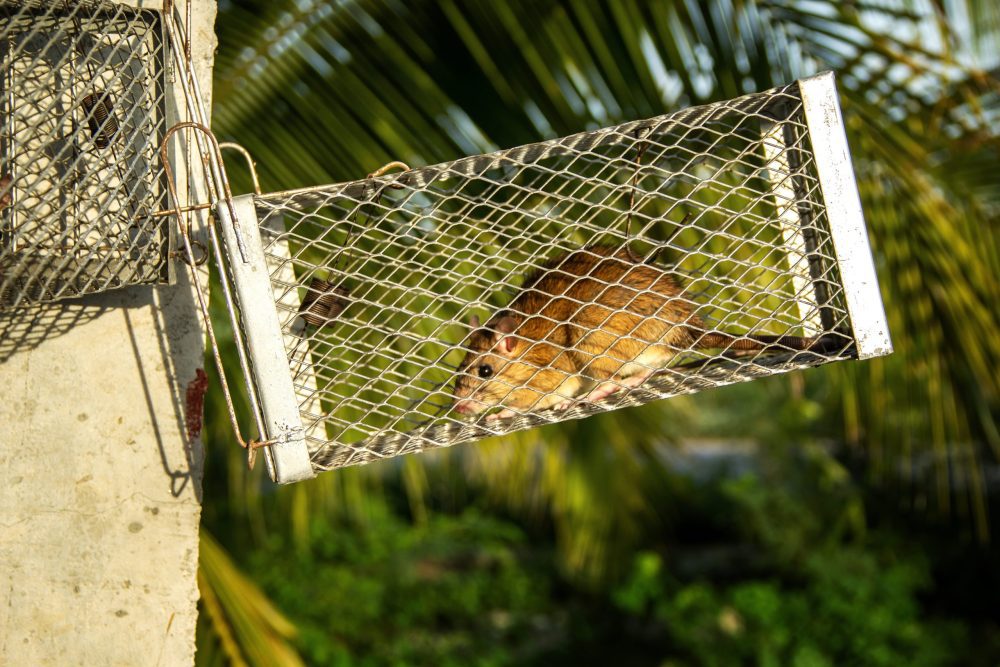
Do Not Move Bait Stations or Traps
Please do not move, open or interfere with bait stations, traps or monitoring equipment. They are placed in specific locations based on the inspection and signs of mouse activity.
Children and pets should be kept away from treatment areas at all times. We will explain where equipment has been placed and what precautions you need to follow between visits.
Post-Treatment Guidance for Mice Control
Once the main mouse activity has been brought under control, it is important to follow the proofing and prevention advice provided during the treatment programme.
Mouse problems can return if entry points, food sources or harbourage areas are left unresolved. The guidance below explains the practical steps that can help reduce the risk of future mouse activity around your property.
Follow Up on Pest-Proofing Recommendations
After treatment, follow any pest-proofing recommendations provided by the technician. This may include sealing gaps, repairing damaged areas, improving food storage, managing waste or removing conditions that are attracting mice.
Proofing can feel like an extra task, but it is one of the most important parts of long-term mouse control. If access points or food sources are left unresolved, mice may be able to return or new activity may develop later.
Basic Rodent Proofing Included
As part of the service, we include basic rodent proofing during the final visit, where suitable and accessible. This may include sealing smaller entry points that mice could be using to enter the property.
If larger repairs are needed, such as damaged brickwork, broken vents, gaps under doors, pipework issues or more substantial building work, we will explain what needs attention and advise on the next steps.
Mice Control FAQs
Getting rid of mice usually requires a combination of inspection, treatment, monitoring and proofing advice. The first step is to identify where mice are active, how they may be getting in and what is attracting them to the property.
Wallace Pest Control may use baiting, trapping and monitoring methods depending on the level of activity and the layout of the property. We also provide advice on proofing, food storage and hygiene steps to help reduce the risk of mice returning.
Our mice control service starts from £240 for three visits. This includes inspection, treatment, monitoring and proofing advice, with basic proofing included where suitable and accessible.
If additional visits are needed, these are charged at £60 per visit. We will explain why any further visits are recommended before carrying out additional work.
Rats and mice can cause similar signs, including droppings, scratching noises, gnaw marks and damage to stored items. Mice are smaller and can often access very small gaps, while rats are larger and may cause more obvious damage or burrowing outside.
The timing, location and type of activity can help identify the pest. If you are unsure whether you have rats or mice, Wallace Pest Control can inspect the property and advise on the most suitable treatment.
Mice can create hygiene concerns when they enter homes, kitchens, cupboards, lofts or business premises. They can contaminate surfaces, food storage areas and materials with droppings, urine and nesting debris.
They may also damage stored items, insulation, packaging and other materials. If you find signs of mouse activity, avoid direct contact with droppings or contaminated items where possible and arrange professional advice.
Mice can gnaw a range of materials, including insulation, packaging, soft plastics and some pipework. They gnaw to keep their teeth worn down and may damage items while moving through cupboards, voids, lofts or wall spaces.
If you notice gnaw marks, damaged materials or signs of chewing near pipework or cables, it is worth arranging an inspection before the problem becomes more established.
To help keep mice out, seal suitable gaps where practical, store food in sealed containers, keep bins closed, clean up crumbs and spills, and avoid leaving pet food or bird seed accessible.
It is also important to check for gaps around pipework, vents, cupboards, doors, skirting boards and external walls. As part of our mice control service, we inspect for possible entry points and provide practical proofing advice based on your property.
Mice Pest Control Northwest
Our experienced, friendly team can help you with a mouse infestation. We will offer you the most effective advice and provide an effective solution. Contact us today!
How We Quickly Resolve Pest Problems
Most pest issues can be assessed quickly, with a clear treatment plan based on the severity.
We follow a clear, proven approach to deal with pest problems quickly, safely, and thoroughly, giving you confidence at every stage.