

Bumblebee Nest Removal

How to Identify Different Types of Wasps and Bees in the UK
What To Do If You're Stung By A Wasp?
A wasp sting can be painful, itchy and worrying, especially if the area becomes swollen or if you have been stung more than once. Most wasp stings can be managed at home, but some reactions need medical advice or urgent help.
This guide explains what to do after a wasp sting, how to ease the pain and swelling, when to seek medical attention, and what to do if wasps are regularly appearing around your home, garden or business premises.
Seeing Regular Wasp Activity?
If you are being stung or seeing wasps entering and leaving the same area, there may be a wasp nest nearby. Wallace Pest Control provides professional wasp nest removal in Lancashire.
Call 07496 680879 for advice.
What to Do Immediately After a Wasp Sting
If you have been stung by a wasp, try to stay calm and move away from the area. Wasps can sting more than once, and other wasps may become defensive if there is a nest nearby.
For most wasp stings, you can take the following steps:
- Move away from the wasps: get to a safe area calmly, especially if you think there is a nest nearby.
- Check the sting area: wasps do not usually leave a sting behind, but if anything is left in the skin, remove it carefully.
- Wash the area: clean the sting with soap and water to help reduce the risk of infection.
- Use a cold compress: apply a cold cloth or wrapped ice pack to reduce swelling and discomfort.
- Raise the area if possible: if the sting is on an arm or leg, raising it may help reduce swelling.
- Avoid scratching: scratching can make the area more irritated and may increase the risk of infection.


Common Symptoms of a Wasp Sting
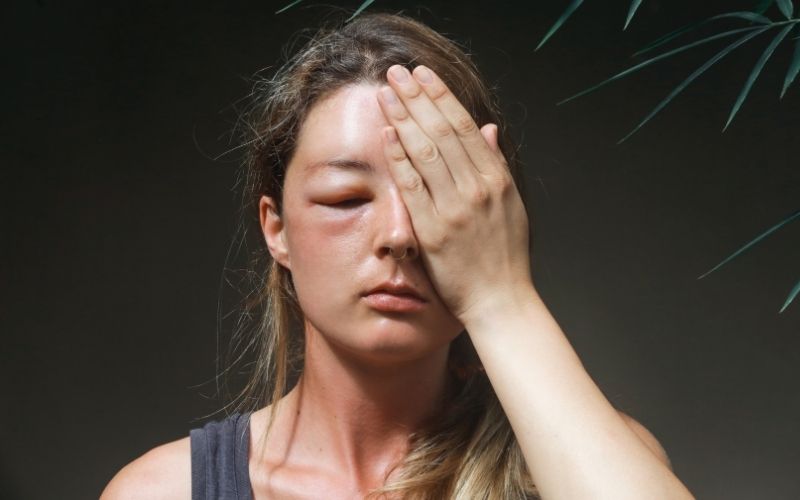
A wasp sting usually causes a sharp pain at the time of the sting, followed by redness, swelling, itching or tenderness around the area. The reaction can vary depending on the person and where they were stung.
Common symptoms can include:
- Pain or burning where the sting happened.
- A small raised lump or mark on the skin.
- Redness or warmth around the affected area.
- Swelling around the sting.
- Itching or irritation as the sting settles.
Some swelling is normal after a wasp sting. However, symptoms that become worse, spread significantly, or are accompanied by other worrying signs should be treated more seriously.
When to Get Medical Help for a Wasp Sting
Most wasp stings are not serious, but some people can have a stronger reaction. You should seek medical advice if symptoms are getting worse, if the sting is near the eyes, mouth or throat, if you have been stung several times, or if you have previously had a serious allergic reaction to an insect sting.
You should call 999 immediately if there are signs of a serious allergic reaction. These can include sudden swelling of the lips, mouth, throat or tongue, breathing difficulties, tightness in the throat, struggling to swallow, sudden confusion, severe dizziness, fainting, or someone becoming unresponsive.
If you are unsure what to do, contact NHS 111, a pharmacist or a GP for advice.
How to Ease Pain, Swelling and Itching
For a mild wasp sting, simple treatment may help ease discomfort while the sting settles.
- Cold compress: use a cold cloth or wrapped ice pack to help calm swelling.
- Pain relief: suitable painkillers may help if the area is painful.
- Antihistamines: these may help with itching or swelling for some people.
- Hydrocortisone cream: this may help reduce itching and swelling, where suitable.
- Keep it clean: wash the area and avoid scratching.
Always follow the instructions on any medicine or cream, and ask a pharmacist if you are unsure what is suitable for you or your child.
If you know you are allergic, carry an EpiPen and use it as directed.
Should You Use Home Remedies for a Wasp Sting?
Many people search for home remedies such as vinegar, lemon juice, bicarbonate of soda or other household treatments. These are often talked about online, but they are not a reliable substitute for basic first aid or medical advice.
The safest approach is to clean the area, use a cold compress, avoid scratching, and speak to a pharmacist or medical professional if symptoms are painful, swollen, infected-looking or getting worse.
Can a Wasp Sting Become Infected?
A wasp sting can sometimes become infected, especially if the area is scratched or irritated. Signs that you may need advice include increasing redness, warmth, pain, swelling, pus or fluid from the sting area.
If the area looks infected or symptoms are not improving, speak to a pharmacist or GP. They can advise on suitable treatment and whether further medical help is needed.
How Long Does a Wasp Sting Last?
Mild wasp sting symptoms often improve within a few days. Pain may settle sooner, while swelling and itching can take longer to calm down.
If symptoms are worsening, not improving, or spreading beyond the sting area, it is best to seek medical advice. Multiple stings, stings around the mouth or throat, or a previous serious reaction should be treated more cautiously.
What If You Are Stung Near a Wasp Nest?
If you are stung near a shed, loft, roofline, wall cavity, hedge, bush or outbuilding, there may be a wasp nest nearby. Wasps can become defensive if their nest is disturbed, and trying to spray, block or remove the nest yourself can increase the risk of further stings.
Signs of a wasp nest can include:
- Wasps entering and leaving the same gap or area repeatedly.
- Increased wasp activity around a roofline, shed, loft, wall cavity or garden area.
- Buzzing sounds from a wall, ceiling, loft or outbuilding.
- A visible nest in a shed, bush, tree, roof space or garage.
- Wasps becoming defensive when you approach a certain area.
If you think there is a nest, keep away from it and arrange professional wasp nest treatment.
Why You Should Not Remove a Wasp Nest Yourself
Removing a wasp nest yourself can be dangerous. Wasps may attack if the nest is disturbed, and DIY sprays may only affect visible wasps rather than treating the nest properly.
Professional pest control is safer because a trained technician can assess the nest location, choose a suitable treatment method and explain what to expect afterwards.
Wallace Pest Control provides professional wasp nest treatment in Lancashire, including advice before and after treatment.
How to Reduce the Risk of Wasp Stings
You cannot prevent every wasp encounter, but you can reduce the risk of stings by being careful around places where wasps are likely to feed or nest.
- Keep food and sweet drinks covered outdoors.
- Keep bins closed and clean up spillages quickly.
- Avoid swatting at wasps, as sudden movements can make them more defensive.
- Move away calmly if wasps are gathering around you.
- Wear footwear outdoors, especially on grass or near fallen fruit.
- Check sheds, rooflines, lofts and outbuildings for repeated wasp activity.
When to Call Wallace Pest Control
A single wasp sting does not always mean you have a nest on your property. However, if you are seeing regular wasp activity in the same area, or wasps are causing a problem around your home, garden, workplace or customer area, it is worth getting professional advice.
Call Wallace Pest Control if:
- You can see wasps entering and leaving the same point.
- You have found a visible nest.
- Wasps are affecting a garden, entrance, loft, shed, roofline or business area.
- Someone has been stung near the property.
- You are worried about children, pets, staff, customers or visitors.
Need Wasp Nest Removal in Lancashire?
If you have a wasp nest or regular wasp activity around your property, do not try to remove or block the nest yourself. Wallace Pest Control can treat the nest safely and explain what to expect afterwards.
Wasp Sting FAQs
Wasps do not usually leave a sting behind and can sting more than once. If anything is left in the skin, remove it carefully and wash the area with soap and water.
Most wasp stings are not dangerous, but they can be painful and uncomfortable. A sting can be more serious if someone has an allergic reaction, is stung in the mouth or throat, or is stung several times.
For a mild sting, clean the area and use a cold compress to reduce swelling. Suitable pain relief, antihistamines or hydrocortisone cream may help, but you should ask a pharmacist if you are unsure what to use.
You should seek advice if symptoms are getting worse, the sting is near the eyes, mouth or throat, you have been stung more than once, or you have had a serious allergic reaction before. Call 999 if there are signs of a severe allergic reaction, such as breathing difficulty or swelling of the lips, mouth, throat or tongue.
Not always. A wasp sting can happen when a wasp is disturbed away from a nest. However, if you are seeing regular wasp activity around the same part of your property, there may be a nest nearby.
Yes. Wallace Pest Control provides professional wasp nest treatment in Lancashire. If the nest is still active after 48 hours, we will return to retreat it at no extra cost.