How to Tell If You Have Bed Bugs?

wasp-nest-clitheroe-spring-guide
Why Is My Lawn Full Of Mole Hills?
A Clitheroe and Ribble Valley Guide

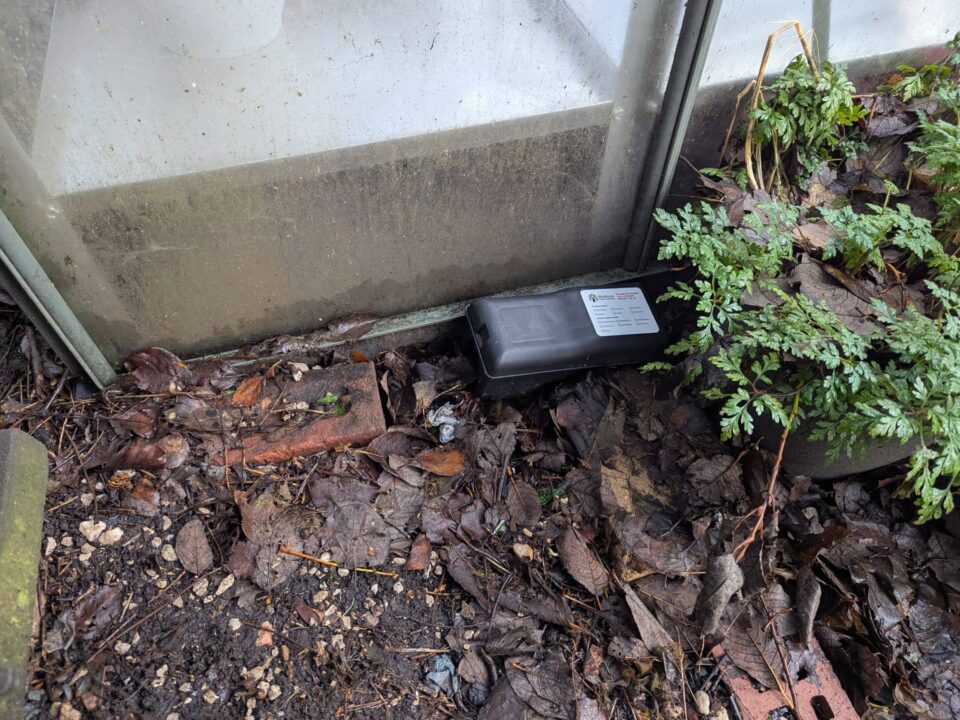
A professional, mole tunnel trap being correctly set and sited in a mole tunnel in a garden in Whalley, Clitheroe. The trap is being set by Kane Wallace, owner of Wallace Pest Control and Guild Of British Mole Catchers qualified. These traps are non-toxic and safe pet friendly.
Quick Answer: Why Are Mole Hills Appearing in My Lawn?
Mole hills usually appear when moles are actively extending, repairing or using their tunnel systems beneath the surface. In gardens and lawns, this activity often becomes more noticeable when soil conditions are soft and there is plenty of food available underground.
In Clitheroe and the wider Ribble Valley, mole activity can be particularly noticeable in lawns, paddocks and landscaped gardens, especially during wetter periods and around the breeding season when moles may move into new areas.
Fresh mole hills can appear suddenly and spread quickly if the mole is actively tunnelling through your garden. If the damage is increasing or the ground is becoming uneven, Wallace Pest Control can provide professional mole control advice and treatment.

Why Mole Activity Increases in Spring
In the UK, mole activity often becomes more noticeable from late winter into spring. During this period, moles may extend or repair their tunnel systems, and males may move through wider areas while searching for mates.
This can lead to a sudden increase in fresh molehills across lawns, gardens and paddocks. In areas such as Clitheroe and the Ribble Valley, soft soil, wet weather and healthy worm activity can all make gardens more attractive to moles.
If you are seeing fresh mounds of soil appearing overnight, it usually means the mole is actively tunnelling nearby. The sooner the activity is assessed, the easier it is to understand where the main runs may be and how widespread the problem is becoming.
If molehills are spreading across your lawn or outdoor space, Wallace Pest Control can provide professional mole control advice and treatment.
Mole Breeding Season and Larger Molehills
Moles are usually solitary and territorial. For much of the year, they remain within established tunnel systems while searching for worms and soil-dwelling insects.
During the breeding season, activity can become more noticeable. Male moles may move through wider areas while searching for females, and young moles later leave the nest to establish territories of their own. This can lead to fresh molehills appearing across lawns, gardens and paddocks.
The “Fortress” or “King-Hill” Molehill
During the breeding season, you may sometimes notice one molehill that is much larger than the others. In the mole-catching industry, these are often referred to as “fortresses” or “king-hills”.
These larger molehills can be linked to deeper or more established tunnel activity and may indicate an important area within the mole’s tunnel system. If you are seeing large molehills or a sudden increase in fresh mounds, it is a good sign that the activity is active rather than old.
Wallace Pest Control can assess the pattern of molehills and advise on the most suitable approach for your garden, lawn or paddock.

Signs of Active Mole Activity
Not every molehill means a mole is still active in that exact spot. Some tunnels may be old or used only as travelling routes. However, there are a few signs that suggest moles are actively moving through your lawn, garden or paddock.
- Fresh, damp soil: loose, moist soil usually suggests recent digging activity.
- New molehills appearing overnight: fresh mounds that appear suddenly are a strong sign that the mole is still active nearby.
- Raised surface tunnels: shallow ridges across the lawn can show where moles are travelling close to the surface.
- Linear molehill patterns: moles may follow routes alongside fences, paths, hedges, walls or other natural boundaries.
- Larger mounds: one unusually large molehill may indicate deeper or more established tunnel activity.
Expert tip: moles are insectivores, not herbivores. They are not usually eating your flower bulbs or vegetable roots. The damage to plants is more often caused by tunnelling beneath the root system, which can disturb the soil and cause roots to dry out.
If fresh molehills are appearing regularly, Wallace Pest Control can assess the activity and provide professional mole control advice.
DIY vs Professional Mole Control
When molehills start appearing across a garden, many people try DIY deterrents first. Some methods may seem simple, but they often have limited success once moles have established tunnels in the area.
The table below explains how common DIY methods compare with professional mole control.
| Method | How It Works | Effectiveness | Things to Consider |
|---|---|---|---|
| Sonic spikes | Emit vibration or sound into the ground to try to deter moles. | Results can be mixed. Moles may ignore the device or move activity to another part of the garden. | No chemical use, but they can be annoying and may not solve an established mole problem. |
| Home remedies | Some people place strong-smelling substances such as garlic, bleach or mothballs into mole runs. | Usually unreliable. Moles may simply block off that tunnel and continue digging elsewhere. | Some substances can be unsafe for pets, wildlife, soil and plants, so we would not recommend this approach. |
| Professional mole control | Active mole runs are assessed and suitable control methods are used by an experienced pest controller. | More reliable than most DIY deterrents because the treatment is based on identifying active tunnel systems. | Professional assessment helps reduce guesswork and avoids unnecessary use of unsuitable DIY products. |
If molehills are spreading across your lawn, garden or paddock, Wallace Pest Control can assess the activity and advise on the most suitable approach. For more information, visit our professional mole control page.

Protecting Your Clitheroe Property
Our local soil in the Ribble Valley provides the perfect environment for moles to thrive. While they provide some benefits, like aerating the soil and eating lawn-damaging grubs, the structural damage to a lawn or a professional sports turf can be expensive to repair.
If you have a "fortress" appearing or more than three new hills a day, the breeding activity is likely at its peak.
Our Local Rates:
Unlike national franchises, we keep our prices transparent for Clitheroe and surrounding areas residents. Our residential mole trapping starts from £60 per visit.
Need Help Fast?
At Wallace Pest Control, we specialize in traditional, effective mole control across Clitheroe, Accrington, and Burnley. We don't use gasses or poisons that could harm your pets or the local environment.
Would you like me to provide a free quote for a mole survey on your property? Click Here!
Areas Covered:
East Lancashire, Including; Clitheroe, Chatburn, Whalley, Sadben, Great Harwood, Accrington, Blackburn, Burnley, Nelson.
Professional Mole Control Advice from Wallace Pest Control
This guide was written by Kane Wallace, owner of Wallace Pest Control. Kane is Guild of British Mole Catchers qualified and has over 10 years of experience dealing with mole activity in gardens, lawns, paddocks and outdoor spaces across Clitheroe, Ribble Valley and East Lancashire.
If you are seeing fresh molehills, raised tunnels or repeated damage to your lawn, professional assessment can help identify active mole runs and the most suitable approach.
For advice or to arrange help, call Wallace Pest Control on 07496 680879 or visit our mole removal service page.

Mole Control FAQs
In many cases, mole activity in a garden is caused by one mole using an established tunnel system. Moles are usually solitary and territorial, so a large number of molehills does not always mean there are lots of moles present.
However, activity can increase during certain times of year, especially when moles are moving through new areas or young moles are establishing their own territories.
Relocating a mole is not usually a practical or recommended solution. Moles are territorial animals and depend on established tunnel systems for feeding and shelter. Moving them to another area can cause stress and may not solve the problem long term.
If mole activity is damaging your lawn, garden or paddock, it is better to get professional advice on the most suitable approach.
Gassing is not a method Wallace Pest Control uses for mole control. Soil type, tunnel structure, weather conditions and safety considerations can all affect how suitable different methods are.
We specialise in traditional mole control methods and assess the pattern of molehills and active runs before recommending the most suitable approach for the property.
Once active mole activity has been dealt with, the immediate problem should reduce. However, no mole control method can guarantee that another mole will never enter the area in future.
Gardens, lawns and paddocks with suitable soil and plenty of food underground may attract mole activity again over time. If fresh molehills appear after treatment, Wallace Pest Control can reassess the area and advise on the next step.