

Professional Ant Control in Lancashire
Professional Ant Control for Homes and Businesses
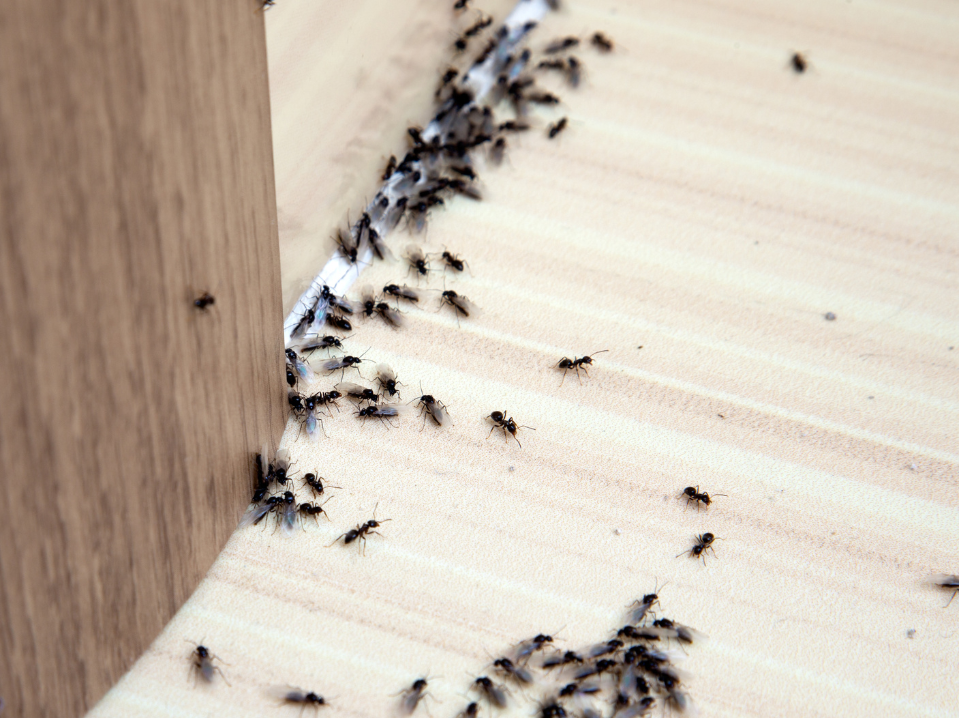
Ants trailing through kitchens, around windows or beneath skirting boards can indicate an established colony nearby. Black garden ants are among the most common species found in UK properties, particularly during spring and summer, but other species can require a different treatment approach.
Wallace Pest Control provides professional ant control throughout the Ribble Valley and surrounding areas, including Clitheroe, Whalley, Longridge, Burnley, Blackburn and Preston. We help homeowners, landlords and businesses deal with ant infestations using targeted treatment based on the species, level of activity and nest location.
Rather than simply treating the ants you can see, we inspect entry points and foraging trails before applying a suitable treatment designed to reach the wider colony.
Professional ant treatment starts from £120 and includes a follow-up visit if required.
If you are seeing regular ant activity indoors or around your property, call Wallace Pest Control on 07496 680879 or complete the enquiry form to arrange professional advice and treatment.
Contact Wallace Pest Control
Need help with ants in your home, rental property or business? Contact Wallace Pest Control for professional ant identification and treatment across the Ribble Valley and surrounding Lancashire areas.
Call 07496 680879 or complete the form below and we will get back to you as soon as possible.
How Our Professional Ant Treatment Works
Effective ant control starts with identifying the species and understanding where the ants are entering, feeding and nesting. We then use a targeted treatment designed to reach the colony rather than simply killing the visible ants.
Visit 1: Inspection and Initial Treatment
- Species identification: We identify the type of ant present and assess the extent of the activity. This is important because black garden ants, Pharaoh ants and other species may require different treatment methods.
- Inspection of trails and entry points: We check where ants are travelling, where they may be entering the property and whether there are signs of a nest nearby.
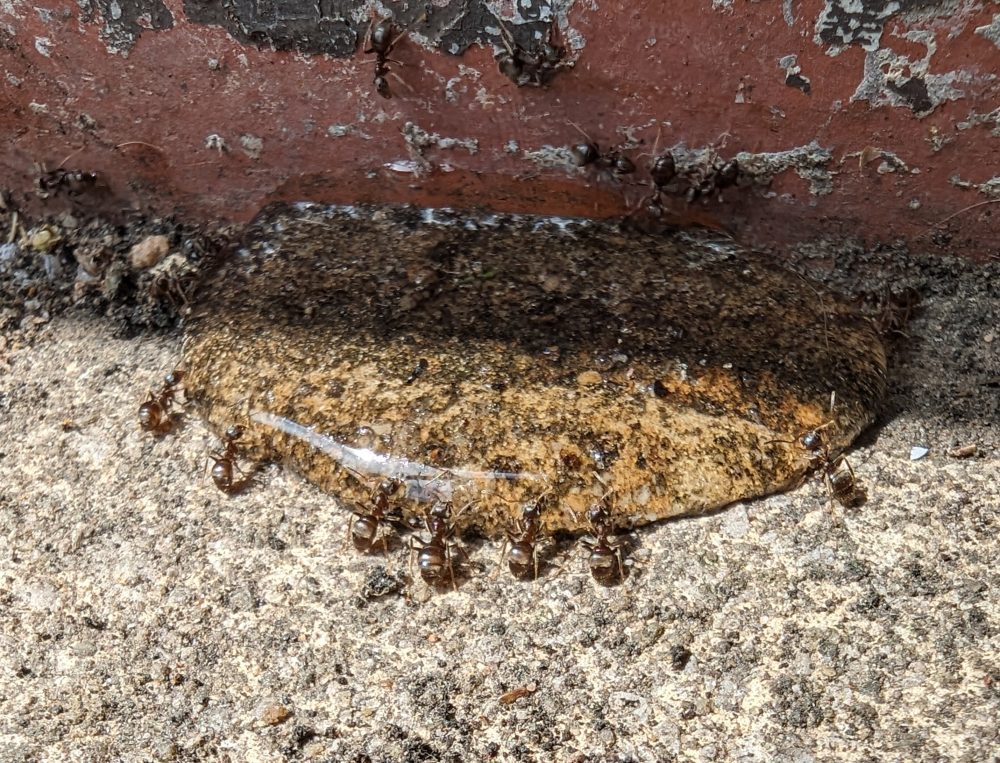
- Professional gel bait treatment: Where suitable, we apply specialist ant bait along active trails and feeding areas. Foraging ants carry the bait back towards the nest, helping the treatment reach more of the colony, including ants hidden away from view.
- Additional targeted treatment: Depending on the species and nest location, other professional products may be used in cracks, gaps or harbourage areas.
- Clear aftercare advice: We explain what to expect after treatment and ask you not to clean or disturb treated areas for at least 24 hours, allowing the bait to remain accessible and effective.
You may notice increased ant activity shortly after treatment. This can be normal, as the bait attracts foraging ants before activity begins to reduce.


Visit 2: Follow-Up Treatment, If Required
Ant bait works gradually as foraging ants carry it back towards the nest. Activity should begin to reduce over time, but some infestations may require a follow-up visit.
If ants are still active after 14 days, we will return to reassess the affected areas and strengthen the treatment where necessary. This follow-up is included within the treatment price.
- Reassessment of ant activity: We check the original trails, entry points and treatment areas to understand where activity remains.
- Alternative gel bait: Where appropriate, we may use a different professional bait formulation to encourage continued feeding and improve coverage within the colony.
- Targeted insecticidal dust: If required, a suitable dust treatment may be applied into cracks, wall voids and other hidden areas where ants may be nesting or travelling.
- Further prevention advice: We may identify additional gaps, food sources or moisture issues that could be encouraging ant activity.
Why DIY Nest Treatments Often Fail
Pouring boiling water onto a visible ant nest is unlikely to deal with the whole colony. It may kill some ants near the surface, but the queen and much of the colony can remain protected deeper underground or inside the structure.
Boiling water can also create a risk of burns and may damage plants, paving or nearby surfaces. Household sprays often have a similar limitation, killing visible ants without reaching the nest and sometimes disrupting the trails needed for bait treatment.
Professional ant control uses the ants’ natural foraging behaviour to help carry treatment towards hidden parts of the colony. This provides a more targeted approach than repeatedly treating only the ants visible on the surface.
Signs of an Ant Infestation
Seeing one or two ants does not always mean there is a serious problem, but repeated activity can indicate an established nest or colony nearby.
Common signs that you may need professional ant control include:
- Regular ant trails: lines of ants moving through kitchens, bathrooms, utility rooms or around food storage areas.
- Ants entering through gaps: activity around windows, doors, pipework, brickwork, flooring or beneath skirting boards.
- Recurring activity after cleaning: ants continuing to return even after food surfaces have been cleaned and obvious entry points have been addressed.
- Outdoor nests: soil, grit or ant activity around paving cracks, patios, lawns, flowerbeds and the foundations of a property.
- Flying ants indoors: winged ants can indicate that a mature colony is nearby, particularly during warmer weather.
- Very small pale ants: Pharaoh ants are much smaller and lighter than common black garden ants and require a specialist treatment strategy.
- Ant activity around food or moisture: repeated sightings near sinks, bins, pet food, cupboards or leaking pipework can indicate an established foraging route.
If ants keep returning or appear in several areas of your property, treating only the visible insects is unlikely to solve the problem. Wallace Pest Control can identify the species, inspect the affected areas and recommend a treatment designed to reach the wider colony.


How to Prepare for Ant Treatment
A few simple steps before our visit can help us inspect the affected areas and carry out the treatment safely and effectively.
- Store food securely: Place food, ingredients and pet food in sealed containers, and clean up obvious crumbs or spillages.
- Keep ant trails visible: Avoid spraying, wiping away or disturbing active ant trails before the visit where possible. Seeing where the ants are travelling can help us identify entry points and likely nest locations.
- Clear access: Move lightweight furniture, boxes or other objects blocking skirting boards, flooring edges, pipework or areas where ants have been seen.
- Reduce clutter: Clear unnecessary items from affected areas so the technician can inspect cracks, gaps and likely harbourage points.
- Keep children and pets away: During the visit and for any advised period afterwards, keep children and pets away from the treatment areas. We will explain where products have been placed and when the areas can be used again.
- Tell us where you have seen activity: Let the technician know about ant trails, entry points, nests, flying ants or any areas where activity regularly appears.
- Avoid DIY treatments beforehand: Household sprays, powders and boiling water can disturb the colony or interfere with professional bait treatment, so avoid applying them before the visit.
We will provide any further preparation advice when the appointment is arranged, based on the type of property and the level of ant activity.
Aftercare Following Ant Treatment
Following the aftercare advice carefully will help the treatment work as effectively as possible.
- Avoid cleaning treated areas for at least 24 hours: This allows ants to continue following their established trails and feeding on the bait. Cleaning too soon may remove or disrupt the treatment.
- Expect some increased activity: You may temporarily notice more ants after treatment. This can be a normal sign that foraging ants are being attracted to the bait and carrying it back towards the colony.
- Do not disturb bait placements: Avoid wiping, moving or covering areas where gel bait, dust or another treatment product has been applied.
- Follow ventilation advice: If a supplementary spray or dust treatment has been used, follow the technician’s instructions about ventilation and when it is safe to use the area again.
- Avoid using additional DIY products: Household sprays or powders can interfere with the professional treatment and may cause ants to change their trails.
- Monitor the activity: Ant numbers should begin to reduce as the treatment takes effect. Contact us if clear activity continues beyond 14 days so we can assess whether a follow-up visit is required.
If a follow-up treatment is needed, this is included within the original treatment price.
How to Help Prevent Ants Returning
Once the infestation has been treated, a few practical steps can help reduce the chance of ants returning or establishing new trails into the property.
Store Food Securely
Scout ants search for food and can leave a pheromone trail that guides the rest of the colony to the same source.
Store food in sealed containers, wipe up spills promptly and avoid leaving sugary, greasy or strongly scented food uncovered. Pet food should also be stored securely and bowls should not be left with food in them overnight.
Seal Entry Points
Ants can enter through very small gaps around doors, windows, skirting boards, pipework, flooring and brickwork.
Use suitable interior filler or decorators’ caulk for small indoor gaps, and weatherproof sealant for exterior cracks where appropriate. Pay particular attention to areas where you have previously seen ants entering or trailing.
Fix Moisture Problems
Ants are often attracted to moisture as well as food. Check beneath sinks, around appliances and near pipework for leaks, condensation or standing water.
Repair dripping taps or leaking pipes, empty water from plant trays and avoid leaving damp areas untreated.
Keep Bins and Food Areas Clean
Keep indoor and outdoor bins closed, clean and free from food residue. Wipe down kitchen worktops, cupboard shelves and floor edges regularly, particularly during warmer months when ant activity is more common.
Monitor for Early Signs
Check regularly for new activity, especially around kitchens, bathrooms, utility rooms, doors and windows.
Look for:
- Thin ant trails along walls, pipework or skirting boards.
- Ants appearing repeatedly around cupboards, sinks or bins.
- Soil or grit pushed up through paving cracks or near entry points.
- Flying ants indoors during warmer weather.
- Activity around kitchen plinths, pet food or damp areas.
The earlier ant activity is identified, the easier it is to prevent a small problem from developing into an established infestation.
Ant Control Across Ribble Valley and Surrounding Areas
Wallace Pest Control provides professional ant control for homes, landlords and businesses throughout the Ribble Valley and surrounding parts of Lancashire.
Based locally, we help customers in areas including:
- Clitheroe
- Whalley
- Longridge
- Burnley
- Blackburn
- Preston
- Accrington
- Other nearby Ribble Valley and Lancashire locations
Whether ants are appearing in a kitchen, rental property, office, food area or commercial premises, we can identify the species and recommend a suitable treatment.
If you are unsure whether we cover your area, call Wallace Pest Control on 07496 680879 and we will be happy to advise.
FAQs: Ant Control
How We Quickly Resolve Pest Problems
Most pest issues can be assessed quickly, with a clear treatment plan based on the severity.
We follow a clear, proven approach to deal with pest problems quickly, safely, and thoroughly, giving you confidence at every stage.
Speak to a local expert today and get your pest problem sorted quickly.
Ready to Sort Out Your Ant Problem?
Whether it’s the odd trail in the kitchen or ants turning up in numbers, our professional treatment targets the whole colony, not just the ones you can see.
From just £120, including follow-up if needed.
Related Blogs

If you’ve got ants in your kitchen, around your windows, or trailing along skirting boards, you’re not alone. Black garden ants are the usual suspects in the UK, especially in Spring and Summer but they’re not the only ones. Different species, like Pharaoh ants, need different treatment methods.